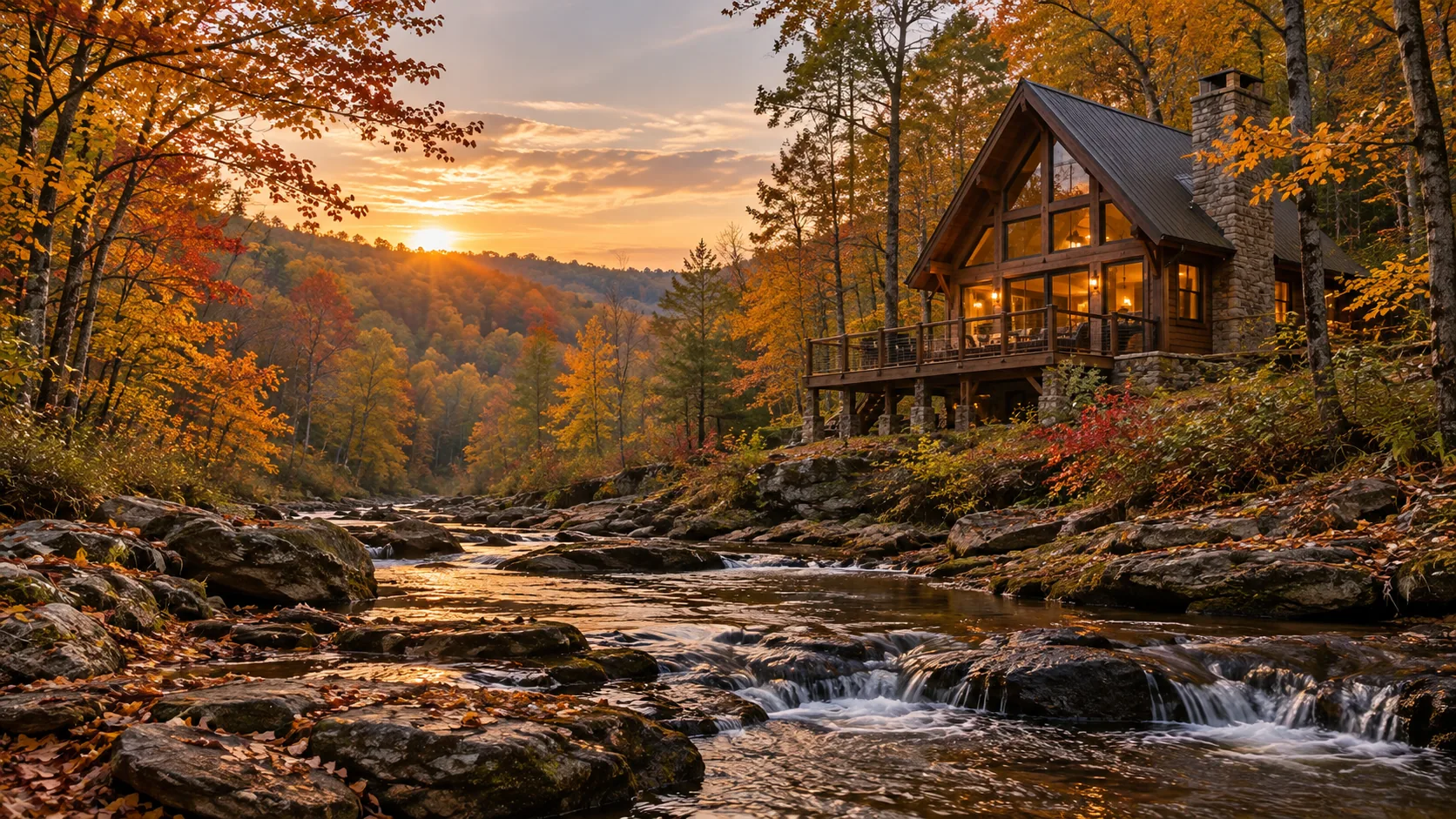
A short cabin trip can feel like a refreshing break or a frantic packing exercise. The difference often comes down to one decision made before booking: stay for two nights or three? In Hocking Hills, Ohio, guests might want hiking, quiet mornings, time in a hot tub, and one leisurely dinner with friends. That sounds straightforward until check-in times, driving, weather, group coordination, and departure cleaning compete for the same hours.
Neither length is inherently better. A two-night stay can be efficient for people with limited time; a third night may make more sense when relatives travel from different cities, several activities matter, or the group wants real downtime. Compare the usable hours, total price, cancellation terms, and energy level of the travelers—not merely the nightly rate.
Count usable time, not calendar squares
A Friday-to-Sunday booking technically spans parts of three days, but Friday may be a travel day followed by check-in in the afternoon or evening. Sunday may start with packing and checkout. The full open day is usually Saturday. A Friday-to-Monday trip creates an additional full day, assuming the booking permits that schedule. The difference feels especially large when guests arrive from different time zones or drive several hours.
Look up the actual cabin’s check-in and checkout times. Some properties offer early arrival or late departure, but neither should be assumed, and either might cost extra. Ask whether luggage storage is possible and whether early parking is allowed if the cabin is not yet ready. Those small details can determine whether a two-night stay is relaxed or rushed.
Map the trip around the drive
If some guests are traveling from Columbus and others from farther away, their available time may differ. Estimate door-to-door travel rather than relying on the driving duration displayed before accounting for stops, traffic, and road conditions. Rural approaches can be unfamiliar after dark, and weather may change route reliability.
Consider who will drive, whether the vehicles can handle the access road, and where everybody will park. For a two-night stay, a late arrival can erase much of the first evening. A three-night schedule may offer room to arrive without making the entire group wait to begin activities. Ask the cabin operator for the final arrival instructions before departure.
A two-night sample: one core activity, generous margins
A workable two-night trip might begin with Friday check-in and a simple meal at the cabin. Saturday becomes the main day for one planned hike or local experience, followed by time to cook, relax, or enjoy approved amenities. Sunday is for a calm breakfast, cleaning as required by the rental terms, and departure. The itinerary succeeds because it avoids stacking every local attraction into the only full day.
Choose activities based on the group’s abilities and current conditions. Trail difficulty and access can differ, and a plan should include a less strenuous option for anyone who wants to stay behind or rest. Check official park information rather than relying on an old social media post for seasonal closures or route conditions. If Saturday’s weather is poor, the group may need to accept a cabin-focused visit.
A three-night sample: weather buffer and shared downtime
With three nights, the group can reserve one day for a main outing and another for a shorter walk, a local meal, or nothing scheduled at all. This extra day can help families with young children, couples seeking privacy, or groups coordinating different activity levels. It also creates a weather buffer: a rainy Saturday does not automatically eliminate every outdoor plan.
Three nights can be especially useful when the cabin itself is the attraction. If guests chose a place for a fireplace, porch, game room, or hot tub, they may want more time to enjoy it. Verify each amenity on the actual listing and ask about rules for use. A longer stay does not make a crowded or unsuitable property a good choice, so layout and capacity still matter more than duration alone.
Compare the total trip cost correctly
A two-night booking may include the same fixed cleaning charge as a three-night booking. Taxes, service charges, pet fees, extra-guest charges, or other costs may also be assessed at the booking level. Dividing the final total by the number of nights reveals a different picture from comparing only the advertised base rate. On the other hand, another night may add meaningful food, activity, and time-off costs.
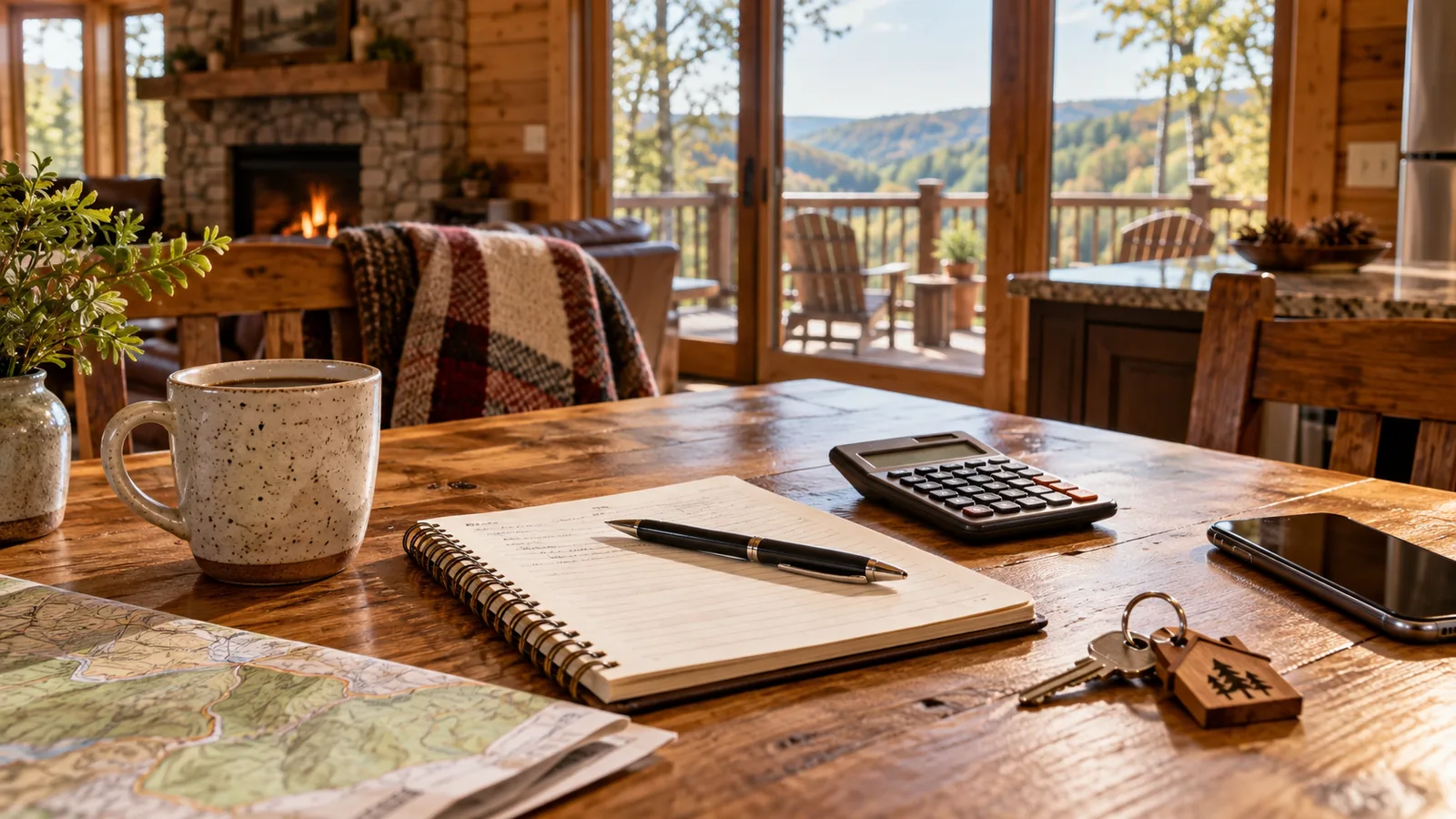
Use a basic worksheet: rental subtotal, cleaning fee, taxes, platform fees, refundable or nonrefundable deposit, transport, groceries, activities, and any pet or group charges. Then calculate total cost per household or per paying adult according to the group’s agreement. Do not assume that a longer stay earns a discount; ask for an actual dated quote and check whether minimum-night rules apply.
Minimum stays and holiday weekends
Some cabins set minimum-night requirements for certain dates or seasons. Others change their pricing for weekends, holidays, or high-demand periods. Avoid stating universal rules such as “every cabin requires three nights on holidays”; the accurate rule is the one displayed and confirmed for the property and dates you want.
If your ideal two-night plan is unavailable, ask about shifting arrival or departure by a day. Sometimes the obstacle is a calendar rule rather than a fully booked region. Flexible dates can also widen your choice of sleeping arrangements, pet policies, or accessibility features. Always confirm the quoted total for the exact requested dates before sending money.
Group size changes the answer
For a couple, two nights in a well-located cabin may be satisfying. A family reunion with several households might benefit from three nights because arrivals, meal preparation, and group decisions take longer. Count adults, children, infants, and any daytime visitors according to the property’s actual occupancy and guest rules. The listing’s “sleeps ten” claim may include sleeper sofas or bunk beds that do not fit every household’s needs.
Ask for a bedroom and bathroom breakdown, not only a bed count. Two primary bedrooms, for example, can matter when grandparents or two couples want privacy. If everyone needs separate beds, state that before requesting options. The most attractive cabin photo cannot tell you whether the sleeping setup works for your group.
Pets, quiet hours, and use of amenities
A third night gives more time to settle in with a pet, but only if the cabin allows that pet and its policies are acceptable. Ask about breed or number restrictions, fees, unattended-pet rules, and cleanup requirements where applicable. Quiet hours, parking limits, and visitor rules still apply regardless of how long guests stay.
Hot tubs, fire pits, grills, and outdoor spaces can be major reasons to choose a longer visit. Confirm that the amenities will be available on your dates and whether there are safety or operating restrictions. A short stay is not the moment to discover that the only planned activity cannot be used due to maintenance or seasonal limitations.
Build a bad-weather plan that still feels like a vacation
Outdoor-focused trips are vulnerable to rain, high water, ice, or trail closures. Check forecasts and official notices close to the travel date. Do not enter closed trails, approach unsafe cliff edges, or assume a waterfall route is safe under all conditions. The itinerary should include indoor time that your group genuinely enjoys, whether that means games, cooking, conversation, or a nearby indoor attraction if confirmed open.
For a two-night trip, choose a single high-priority outdoor plan and be willing to replace it. For three nights, spread activities across the better-weather windows. The extra night gives flexibility, not a guarantee of sunshine or access to every destination.
Decide who is responsible for the booking
Group trips can become strained when one person pays and everyone else sends money at different times. Agree on how costs will be split, when shares are due, and what happens if one household cancels. Ask the operator whether the primary guest must be present and whether the booking can be changed after confirmation.
Review cancellation deadlines, deposit terms, security deposits, and conditions for refunds. A two-night stay with flexible terms could be more useful than a cheaper three-night reservation with rigid restrictions—or the reverse. Make the decision based on the complete written conditions, not a single advertised nightly figure.
A quick choice guide
Choose two nights when travel is short, your group is small, one main activity is enough, and everybody is comfortable with a single full day. Consider three nights when travel is long, there are multiple households, you want both outdoor activities and cabin downtime, or weather uncertainty could otherwise dominate the trip.
Before booking, answer five questions: How many usable hours will we have? What is the final total cost? What does each household need for sleeping? Which cancellation and house rules apply? How much flexibility do we need if weather or arrival plans change? Those answers usually make the right length clearer than a generic “weekend getaway” slogan.
Request a cabin match for your actual itinerary
HockingCabins can help organize a request that includes dates, number of guests, budget, pet needs, bedrooms, desired amenities, and whether you are deciding between two and three nights. Ask for property-specific quotes and policies. Availability, photos, prices, and booking terms should be verified with the actual operator before paying.
The ideal short Hocking Hills getaway leaves enough time to enjoy the people and place you traveled to see. Sometimes that takes two nights. Sometimes a third night is the reason the trip feels like a break rather than a checklist.
Cabin availability, nightly rates, property rules and amenities must be confirmed directly with the operator before booking.