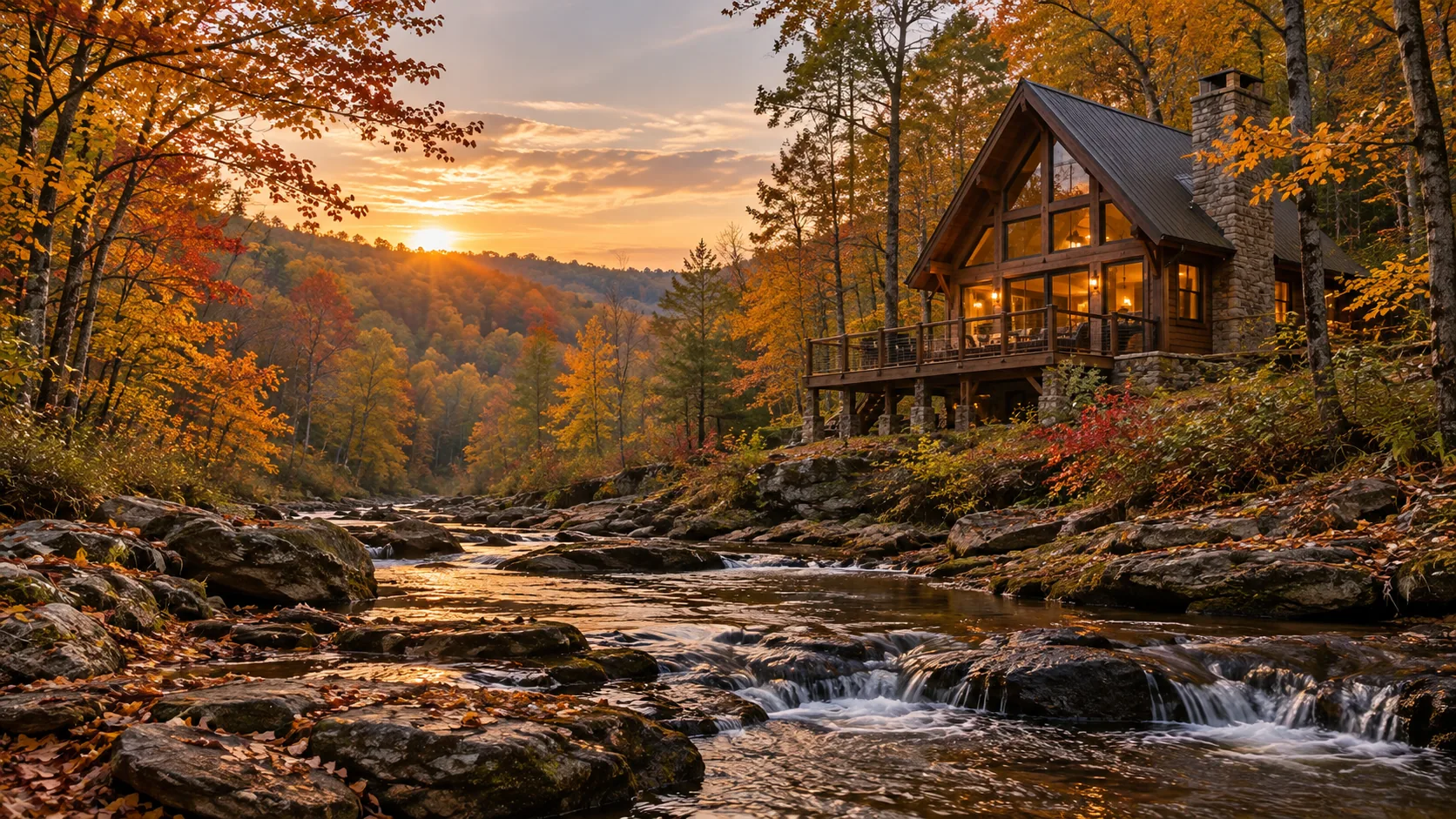
Hocking Hills is widely associated with trails, rock formations, and wooded scenery. That makes it easy to plan a cabin trip around long walks and overlooks—and accidentally leave some family members with little to do. A successful multigenerational stay might include avid hikers, grandparents who prefer short outings, guests with mobility limitations, teenagers who want activities, and a person who simply wants to read by the fireplace.
The best cabin for a mixed group is not necessarily the closest to the most famous trailhead. It is one where everyone can participate in the trip on their own terms, where the shared spaces are pleasant, and where logistics do not make non-hikers feel stranded. This guide explains what to compare before requesting a quote.
Ask what each person wants from the trip
Begin with a short conversation about preferred pace, walking tolerance, and leisure interests. Some guests want long hikes; others prefer scenic stops, meals, a quiet porch, or games. Avoid calling someone a “non-hiker” as if it describes their entire vacation personality.
Ask what would make the trip worthwhile for each guest. Perhaps one person needs a comfortable chair and a view. Another wants access to shops or restaurants. A child may want a play area. A visitor with knee pain might value fewer stairs and a short distance from parking to the door. These preferences translate into property features more directly than a generic list of regional attractions.
Agree on a shared activity or meal each day while allowing separate optional outings. A cabin vacation should not require everyone to follow the same trail itinerary.
Put the cabin itself near the center of the experience
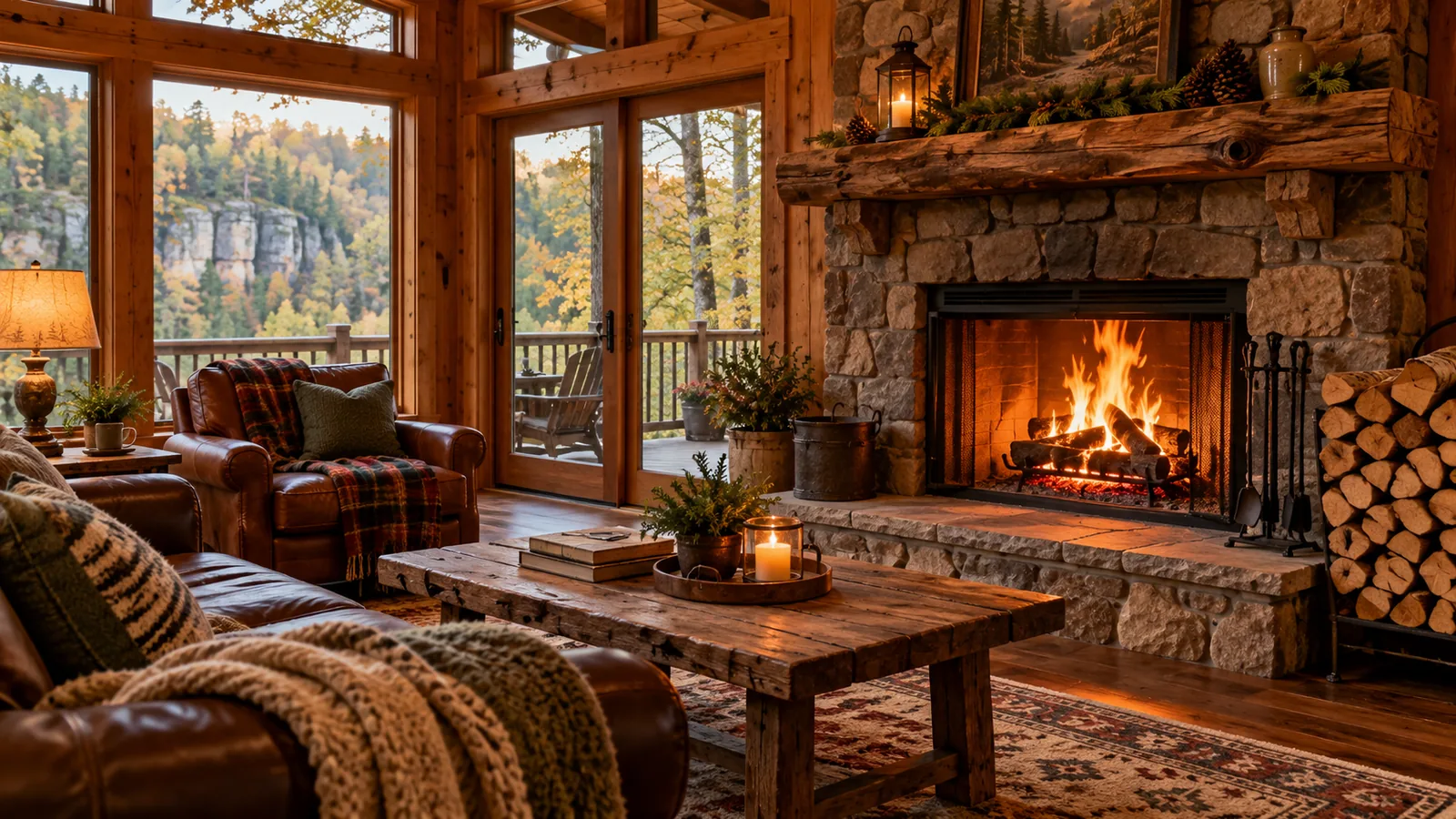
If some people will spend much of the day at the property, look beyond the bedroom count. Is the living area large enough for everyone to sit together? Are there comfortable indoor options during rain? Does the porch have shade or weather protection? Is there a dining table that works for group meals, puzzles, or games?
Check whether the layout creates inconvenient divisions. A beautiful cabin with a narrow loft living room might not be ideal for a group that wants to spend time together. Ask for a current floor plan or an honest walkthrough video. Look for usable seating and easy movement rather than assuming listing photos show the whole space.
Confirm Wi-Fi, cellular coverage, heating and cooling, kitchen equipment, and any accessibility details with the individual operator. Rural connectivity and property amenities vary and should never be promised by a general destination guide.
Examine the entrance, stairs, and bedroom placement
A property described as a “single-story cabin” may still have steps at the entrance or sloped pathways from parking. Ask whether the route from the vehicle to the front door is step-free, whether there are railings, and where the main bedrooms and full bathrooms are located. A ground-floor sleeping area can be useful, but only if the bathroom and shared spaces are accessible too.
Request measurements or current images if a guest uses a walker, wheelchair, or other mobility aid. A wide-angle photo does not establish door clearance, safe shower access, or the height of a bed. Where an accommodation must meet specific accessibility needs, verify those requirements with the operator and relevant specialists.
If a family member needs a quiet bedroom away from noise, inspect the floor plan. A loft open to the main room may provide little privacy, and a lower-level bedroom might involve stairs even when the main entrance is accessible.
Plan outings with a range of effort levels
Some members of the group may want a major hike while others prefer shorter, less physically demanding experiences. Research current trail conditions and official park advisories before promising a particular route. Natural terrain may involve steps, uneven surfaces, grades, or closures. “Short” does not automatically mean accessible.
The Ohio Department of Natural Resources provides park information and trail guidance that can help visitors assess options. Use official resources and contact the park when accessible facilities or current route conditions are critical. Avoid trusting unverified claims that a particular path is suitable for all mobility levels.
Schedule hiking groups so non-hikers have transportation and meaningful alternatives, rather than leaving someone in a cabin without access to food, entertainment, or help. A flexible plan reduces tension if weather changes.
Consider nearby towns, dining, and indoor activities
A cabin far into the woods may be wonderfully quiet but inconvenient for guests who want easy access to cafés, shops, groceries, or an indoor attraction. Check actual driving routes to nearby communities rather than estimating by distance on a map. Winding rural roads and traffic patterns can make short mileage feel longer.
If people will go separate ways, discuss whether the group has enough vehicles. A one-car party may need to coordinate every outing. Ask about parking for additional cars and whether ride services are reliable in the specific area; do not assume urban transportation options are available in rural Hocking Hills.
Build an indoor backup day around interests you can confirm: games, reading, cooking, a scheduled restaurant visit, or another activity with verified opening hours. Avoid assembling a packed itinerary of attractions that might be closed seasonally.
Make communal meals easy
Mixed groups often enjoy breakfasts and dinners together even if daytime activities differ. Confirm the actual kitchen appliances, serving equipment, refrigerator space, and seating count. A cabin advertised for twelve guests may sleep twelve but have a dining table for six. That may be fine for some groups but should be known upfront.
If people have dietary restrictions, arrange a plan for groceries and meal preparation. Ask how far the nearest suitable market is and whether a shopping stop on arrival would make the stay easier. Clarify whether outdoor grills, fire pits, and kitchen amenities are usable during your travel dates.
Check what the rental supplies versus what guests must bring. Linen, towels, dish soap, coffee filters, and cooking basics can vary from property to property, and extra shopping trips become less appealing when the group is far from stores.
Think about outdoor comfort without depending on strenuous activity
A porch, deck, hot tub, or fire pit may help non-hikers enjoy the landscape from the property. But outdoor amenities have access and safety considerations. Ask about steps to the deck, stable seating, exterior lighting, weather cover, and safe use rules for any hot tub or fire feature.
A hot tub should not be treated as automatically appropriate for every guest; some health conditions and medical circumstances warrant professional guidance. Children require supervision near water. Verify property rules, cleaning arrangements, and whether amenities are actually available rather than assuming they operate year-round.
For guests who dislike bugs or cold evenings, indoor views and comfortable shared rooms may be more important than an impressive outdoor feature. Consider the season and how much of the trip will realistically be spent outside.
Verify connectivity, quiet hours, and accessibility claims
If one guest plans to work while others hike, ask for recent internet speed tests from the actual cabin and check whether speeds are stable enough for the intended work. If someone needs to call home or access telehealth services, verify backup communication options. Rural cell reception can vary even within the same property.
Ask about quiet hours, maximum occupancy, visitor limits, parking, pet rules, and any restrictions on outdoor gathering spaces. A family trip with non-hikers may involve long afternoons at the cabin; the rules should permit the intended use. Confirm whether the advertised guest capacity includes children and whether additional visitors are allowed.
For people with disabilities, request specific measurements and layout information. Avoid treating the word “accessible” as sufficient evidence without details that match the person’s needs.
Balance cost across the whole family
Calculate the total stay price with taxes, cleaning charges, service fees, deposits, and any extra-person or pet fees. Then compare what each cabin offers to different members of the group. Paying slightly more for a practical main-floor bedroom, good common space, and convenient access may create more value than saving on the nightly rate.
If several families split the bill, agree in advance whether everyone contributes equally or whether bedroom size, number of guests, or extra nights affect the division. Review cancellation rules together, especially when one household may need to change plans.
A cabin for non-hikers should not be a premium purchase by default. It simply needs the right combination of comfort, logistics, and activities for your specific group.
Build a sample day with choices, not obligations
One possible day starts with a shared breakfast. Hikers leave for a route chosen from current official information; the rest of the group enjoys the cabin, a local outing, or an accessible activity they have confirmed independently. Everyone meets for lunch or an afternoon snack, with time to rest before an unhurried dinner and games.
On another day, plan a shared scenic experience only if its access requirements work for everyone. If conditions do not allow it, choose a different activity instead of persuading someone to push beyond their comfort or clinical restrictions.
The trip should feel like shared time with optional adventures, not a test of who can keep up with the strongest hiker.
Questions to send a cabin operator
Ask for an actual floor plan, stair and doorway details, bedroom and bathroom locations, recent interior and exterior photographs, seating count, kitchen inventory, and proximity to shopping or dining. Verify internet needs, parking, maximum guests, extra fees, cancellation rules, and the accessibility of the outdoor amenities you hope to use.
Share your dates, party size, approximate budget, pets if any, and the need for low-effort activities or step-free access. The operator may suggest a specific property, but verify its details before paying. Do not assume one cabin’s features apply to another under the same management company.
Request a mixed-group cabin match
HockingCabins can help organize an inquiry for families with hikers and non-hikers. Describe which amenities are nonnegotiable, which guests need a simpler layout, and how much time the group hopes to spend at the property. Confirm availability, property features, and booking conditions with the operator for the actual dates.
Reference material
- Ohio Department of Natural Resources, Hocking Hills State Park: https://ohiodnr.gov/go-and-do/plan-a-visit/find-a-property/hocking-hills-state-park
- U.S. Access Board, accessible design reference: https://www.access-board.gov/ada/
Cabin availability, nightly rates, property rules and amenities must be confirmed directly with the operator before booking.